

5 Types of Tooth Fillings: Which is the Best?
Regular dental check-ups allow your dentist to monitor your oral health and identify any issues, such as cavities or damaged teeth. If any concerns arise, they will develop a treatment plan, which typically includes dental fillings.
During a filling procedure, your dentist will usually administer a local anaesthetic to numb the area before removing the decayed tooth tissue and filling the hole with the chosen material. There are five main types of materials used to fill your teeth, including tooth-coloured ceramic, amalgam, and gold. Your dentist will consider a range of factors when deciding which type is most suitable for you, including the severity and location of the issue.
As with any medical decision, you should trust the advice of your dentist. They know the benefits of each type of filling and can recommend the best option for you.
Choosing the right treatment can save you from health problems down the line and improve your confidence now.
5 Types of Tooth Fillings
1. Composite Fillings
Composite fillings are made from a resin material and are white, allowing them to blend naturally with your teeth. The filling is placed on your tooth in layers that are gradually built up until the hole is filled. Your dentist may use a specialised light to cure the filling. Composite fillings are ideal for fixing broken teeth and tooth decay in both the front and back teeth, for fissure sealants and for cosmetic dental treatments, like veneers.
2. Amalgam Filling
Amalgam fillings have been used for many years and consist of a silver-coloured filling material made from a mercury, silver, copper, zinc and tin mixture.
These days, fewer and fewer dentists are using the amalgam option for fillings due to their potential to expand and contract with changes in temperature in the mouth, which can lead to corrosion. Should this occur, the harmful metallic compounds released disturb the tooth structure and can cause tooth decay and cracks which could result in nerve pain. Fortunately, amalgam fillings can be replaced if they pose a problem to your tooth or to your health.
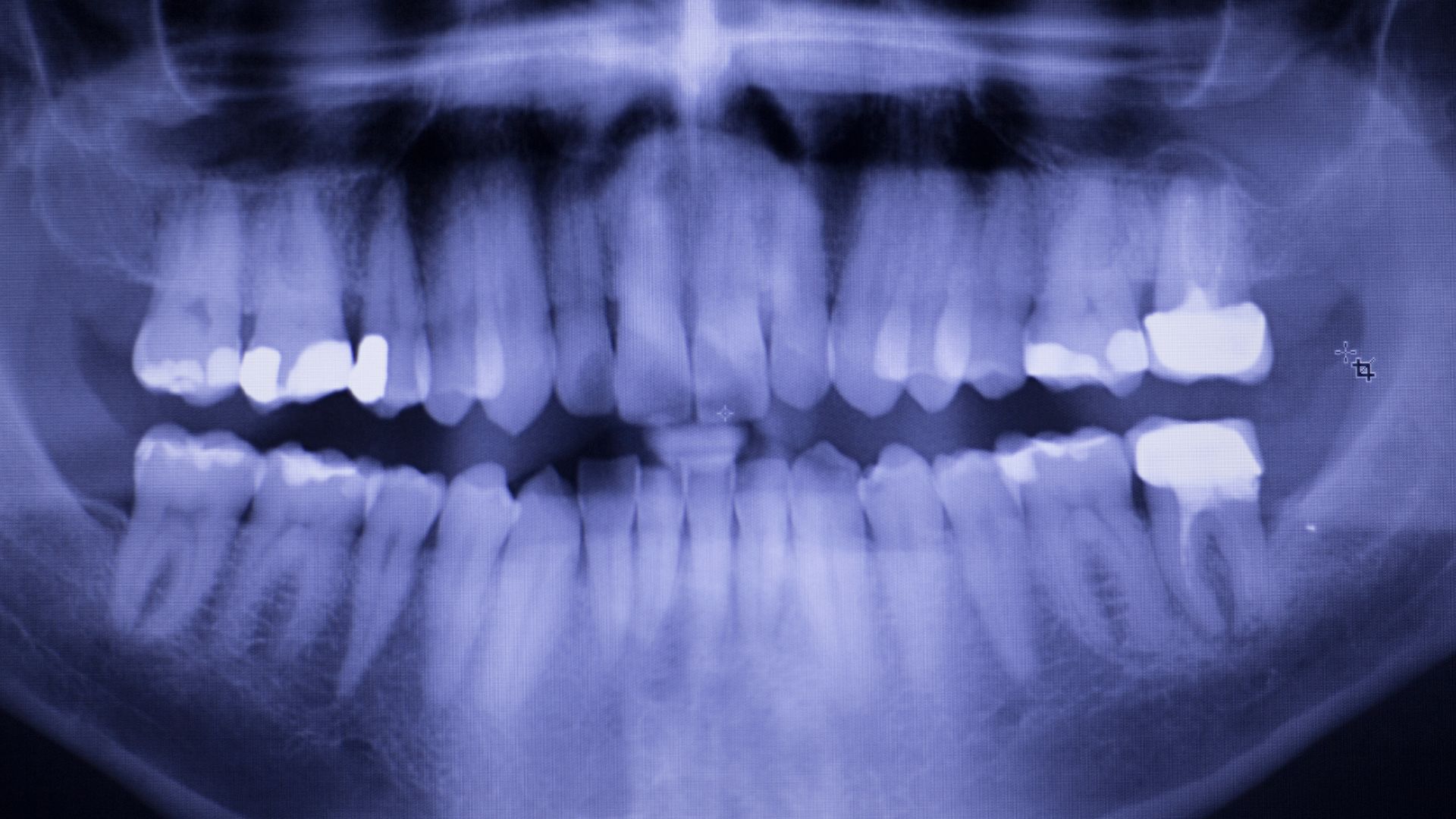
3. Ceramic Fillings
Ceramic fillings (or porcelain fillings) are tooth-coloured, a desirable choice for cracked or decayed tooth restoration. Bonded to the tooth by adhesives, they retain more of your tooth structure than a crown.
The procedure involves scanning your tooth to create a digital 3-D model of your tooth and surrounding teeth. The ceramic restoration is designed on a computer, and then milled from a solid porcelain block, which is placed in the milling chamber, where special tools sculpt the restoration to match the model precisely.
4. Gold Fillings
Strong and long-lasting, gold inlays are made in a dental laboratory and then cemented into the tooth’s cavity. This option is rarely available in many dental practices due to the costs and timing involved.
5. Glass Ionomer Fillings
Glass Ionomer fillings are made from a type of cement that contains fluoride. Though they lack the durability of composite resin, glass ionomer fillings are commonly used for fissure sealants and temporary fillings.
Temporary fillings are used when additional dental work is needed, such as during emergency dental treatment or when protecting a tooth cavity between root canal treatment appointments.
Which Filling is the Best?
There’s no one-size-fits-all answer to which filling is the best. Your dentist will decide on the most appropriate dental filling for you based on a variety of factors, including:
- The location of the cavity in the tooth
- The position of the tooth in the mouth
- Your bite and how your teeth fit together
- The size of the filling required
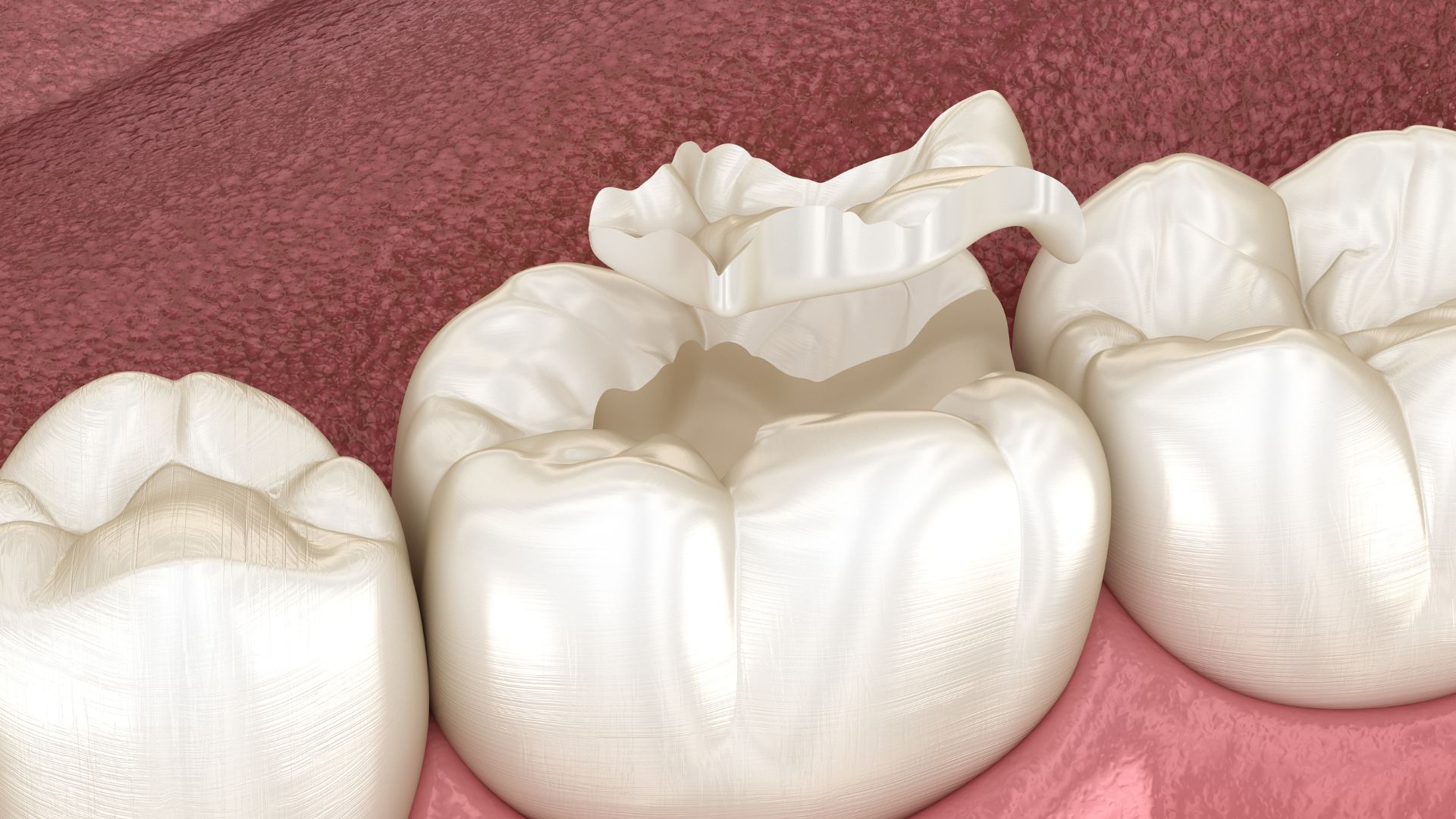
Keep in mind the cost and longevity of some of these options. Ceramic and gold fillings are more expensive but highly durable and can last around fifteen years with proper care. Amalgam fillings are more affordable, but the metal can pose health risks. As such, the aesthetics and price range of composite fillings have attracted patient appeal in recent years.
You should always practice good oral hygiene, especially after a filling, to avoid recurring problems.
Here are five handy steps to better dental hygiene:
- Brush your teeth twice a day
- Use fluoride toothpaste
- Don’t forget to floss
- Drink plenty of water
- Visit your dentist regularly
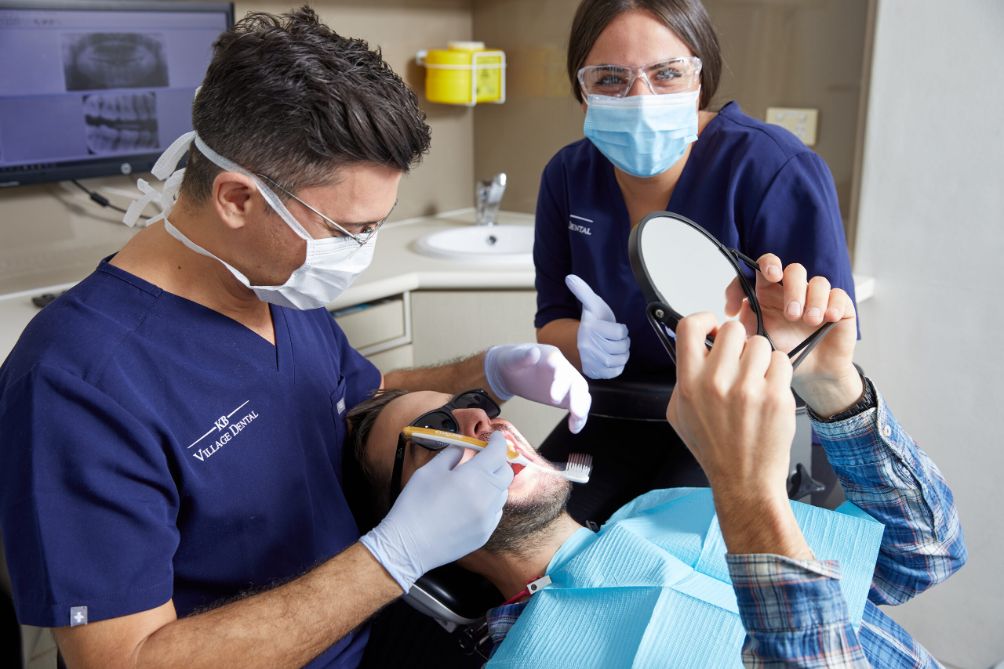
Take control of your smile with Dr Evan and the friendly dentistry team at KB Village Dental. Ultimately, the best filling option for you can only be determined by a professional assessment of your teeth during an appointment. Tooth fillings do not last forever; they may need to be replaced when materials no longer match the colour of your teeth or when the binding agent starts to wear out.
If you think your smile could be brighter, feel discomfort in your teeth, or are just concerned about your oral health, contact Sydney North Shore dentist KB Village Dental at (02) 9964 9166 to book an appointment today.