
How Long Does Teeth Whitening Last
Everybody wants to have those sparkling white teeth for a perfect smile. However, not everyone can afford professional dental teeth whitening procedures. This is why many people use at-home teeth whitening products. Some dentists discourage it, while some endorse it. So which one is for you?
Understanding tooth discolouration
Discolourations caused by certain dental conditions, such as tartar, will require dental treatment for effective removal. Many stains can be removed by either over-the-counter at-home teeth whitening products or professional whitening treatments. But how long can the effect of these products or treatment procedures last?
Well, it varies based on different factors such as the type of whitening product and your lifestyle. Also, the whitening effect varies depending on the type of stain that you have.
Two types of teeth stains:
- Intrinsic (internally caused) – caused by certain medications, aging, infection, trauma, etc. This type of stain can be harder to remove, but it can be done with the right treatment.
- Extrinsic (externally caused) – caused by stain-causing beverages and food. Most teeth whiteners work on this type of stain.
At-home teeth whitening products vs. Dentist teeth whitening procedures
There are numerous at-home teeth whitening products available, and they vary in type, application, and quality. Here’s a quick breakdown of some of the most common OTC teeth whitening products and how long they can last.
At-Home Teeth Whitening Products
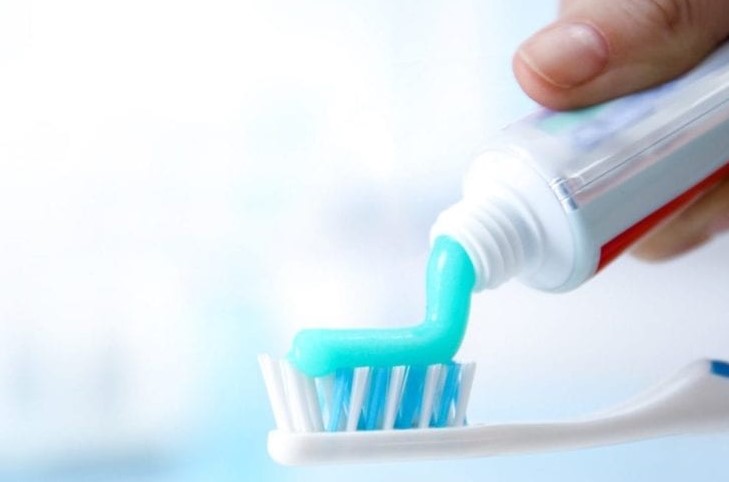
- Whitening toothpaste
Whitening toothpastes contain active ingredients such as hydrogen peroxide, carbamide peroxide, and mild abrasives to polish and whiten teeth.
When used twice daily, whitening toothpaste takes 2 to 6 weeks before signs of whitening appear. Its effects can last 3 to 4 months. To prolong its benefits, simply continue using toothpaste.
Note: If you plan to use this long-term, try alternating it with toothpaste designed to strengthen and protect your enamel.
- Whitening mouthwash
Designed to remove small amounts of surface stains and is best used alongside whitening toothpaste, and to prolong in-office professional teeth whitening procedures. It contains hydrogen peroxide and is recommended to be used daily.
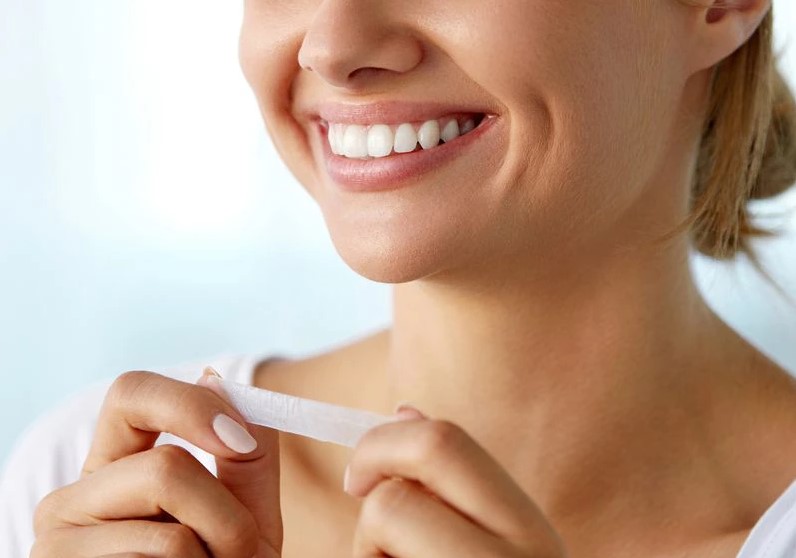
- Whitening strips
The effects of strips vary from one product to the next, but usually last up to 6 months. They are considered the most effective at-home teeth whitening alternative. They contain hydrogen peroxide to slowly bleach the teeth. Some come with LED accelerator lights to intensify the stain removal.
This product, however, can be harmful to the teeth when used too often or incorrectly.
- Whitening pens
The whitening effect of pens can be apparent in as little as 2 days to a week. However, these are usually short-lived and minimal.
- Whitening gels
Results of whitening gel trays can be seen in as few as 7 days, and results can be long-lasting, up to 12 months or longer, depending on how often you use the whitening trays. The effect varies with the length of time it is worn and the amount of hydrogen peroxide used. However, when combined with good oral hygiene and your dentist’s supervision, this is one of the best at-home teeth whitening treatments available.
Dentist teeth whitening procedures
- In-Office Teeth Whitening (chairside whitening)
Teeth bleaching is an affordable cosmetic dental procedure. It removes years of stains in as fast as a single dental appointment.
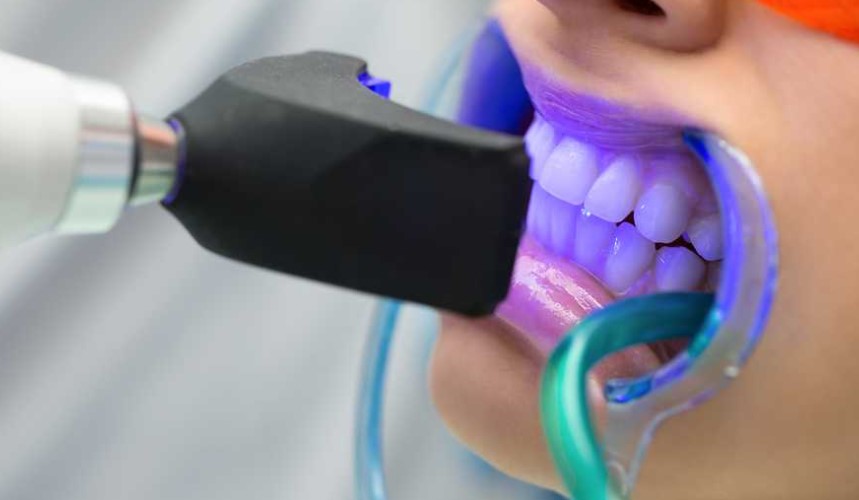
It involves using strong bleach (highly concentrated carbamide peroxide or hydrogen peroxide) and light to accelerate the bleaching process.
If you maintain good oral hygiene, its benefits could last up to 3 years.
- Laser teeth whitening
This involves using lasers to activate the bleaching agent and whiten the teeth. The dentist will cover and protect the gums and lips, and then coat the teeth with peroxide gel. Laser teeth whitening can whiten the teeth for up to eight shades and offer better results than any over-the-counter products, with results lasting for several months.
Is teeth whitening safe?
Teeth whitening products, both at-home and professional, are generally safe. However, since whitening agents dehydrate the teeth, they often cause sensitivity in the teeth and gums. This is usually temporary as the teeth rehydrate over the following 24 hours after ceasing the whitening treatment.
Other side effects include:
- Irritation and gum burns – This is common with an at-home gel tray and chairside whitening. This can be avoided with custom-fitted trays. Also, irritations are usually mild and temporary.
- Gum whitening – The gums can also be bleached, and may temporarily lose their colour.
- Gastrointestinal distress or irritation – Swallowing whitening products can cause burning, mild sensation to the throat and may lead to stomachache
- Damaged tooth enamel – Though research is still inconclusive, abrasive compounds can cause surface grooving and thinning of the enamel, especially with strong abrasives and bleaching solutions.
It is important to note that teeth whitening treatments, whether over-the-counter or in-office, are designed to reduce stains, not repel. Thus, it is still very important to practice good oral hygiene habits during and after the whitening treatment.