
How Long Does Invisalign Really Take? (Average Timelines & What Changes It)
You’ve probably heard “6 to 12 months” quoted everywhere for Invisalign treatment. The reality is, your actual timeline could be anywhere from 6 months to 24 months, depending on your specific case.
This matters because you’re planning around life events, comparing treatment options, and making a significant time commitment. Whether you’re a professional in North Sydney preparing for client presentations or planning around a wedding, you need accurate expectations, not marketing promises.
So what actually determines how long your treatment takes? At KB Village Dental, we’ve worked with plenty of Kirribilli patients on Invisalign clear aligners. We can give you a realistic timeline before you even start. Here’s what influences your specific duration.
Average Invisalign Treatment Times by Case Complexity
The “how long does Invisalign take” question has no single answer. Treatment duration depends entirely on your starting point and what needs correction.
| Case Type | Timeline | Aligner Count | What This Includes |
| Simple Cases | 6-10 months | 12-20 aligners | Minor spacing issues, slight rotations, or relapse from previous orthodontic treatment. Minimal tooth movement generally allows faster bone remodelling and faster progress. |
| Moderate Cases | 12-18 months | 20-35 aligners | Moderate crowding, spacing issues requiring multiple teeth to move, and mild bite corrections. Most adult patients fall here. In our Kirribilli practice, most professionals finish within 12 to 16 months. |
| Complex Cases | 18-24+ months | 35+ aligners | Severe crowding, significant bite corrections, or cases requiring tooth extraction. May need multiple refinement sets. The extended duration ensures stable, lasting results rather than rushed movements that could compromise your outcome. |
Invisalign vs Traditional Braces
Invisalign clear aligners usually take 12 to 18 months. Traditional metal braces often take 18–24 months and can extend longer in complex cases. So you’re looking at similar or faster treatment, and you can take them out when you need to.
7 Factors That Actually Determine Your Invisalign Timeline
Understanding these variables helps you estimate your likely treatment duration and identify what you can control.
Factor 1: Your Starting Teeth Position
The distance your teeth must travel directly determines treatment time. Bone remodelling happens at a fixed biological rate. You can’t rush it safely.
ClinCheck software maps the exact movement needed for your case, which is why professional assessment provides accurate predictions that online estimates can’t match.
Factor 2: Your Age and Jaw Development
While teenage jaws are still developing, which can sometimes facilitate faster movement, adults often achieve their predicted timelines through better compliance. Many of our North Sydney patients aged 30 to 45 complete treatment within their initial projections because they’re committed to wearing aligners consistently.
Factor 3: Treatment Compliance (The 22-Hour Rule)
This is the single biggest variable you control. Invisalign clear aligners must be worn 22 hours daily for optimal results.
The difference between 20 and 22 hours of daily wear might seem minor, but reduced daily wear commonly extends treatment by several weeks to a few months, depending on how consistently aligners are worn. Your teeth need consistent pressure to move properly, and removing aligners frequently disrupts this process.
Factor 4: Aligner Change Schedule
Your dentist determines whether you change aligners weekly or fortnightly based on your bone response and treatment complexity. Some patients with healthy bone remodelling can switch to new aligners every week, potentially reducing treatment time by up to 50%. Others need the more cautious fortnightly approach to ensure teeth track properly with each aligner tray.
Factor 5: Refinements and Mid-Treatment Adjustments
Approximately 50-70% of cases require refinements and additional aligner sets for fine-tuning after the initial series. This is normal, not a treatment failure. Refinements typically add 2 to 4 months to your Invisalign timeline, but ensure you achieve optimal results rather than settling for “close enough.”
At KB Village Dental, we build refinement possibilities into treatment planning so you have realistic expectations from the start.
Factor 6: Biological Response Rate
Individual bone remodelling rates vary between people, as do healing rates. Some people’s bones respond faster to the gentle pressure from aligners consistently worn. While this can’t be predicted perfectly before treatment starts, it’s monitored throughout the Invisalign process.
Biological variation rarely causes major delays but can explain differences of 1 to 2 months between similar cases.
Factor 7: Attachments, Elastics, and Auxiliary Tools
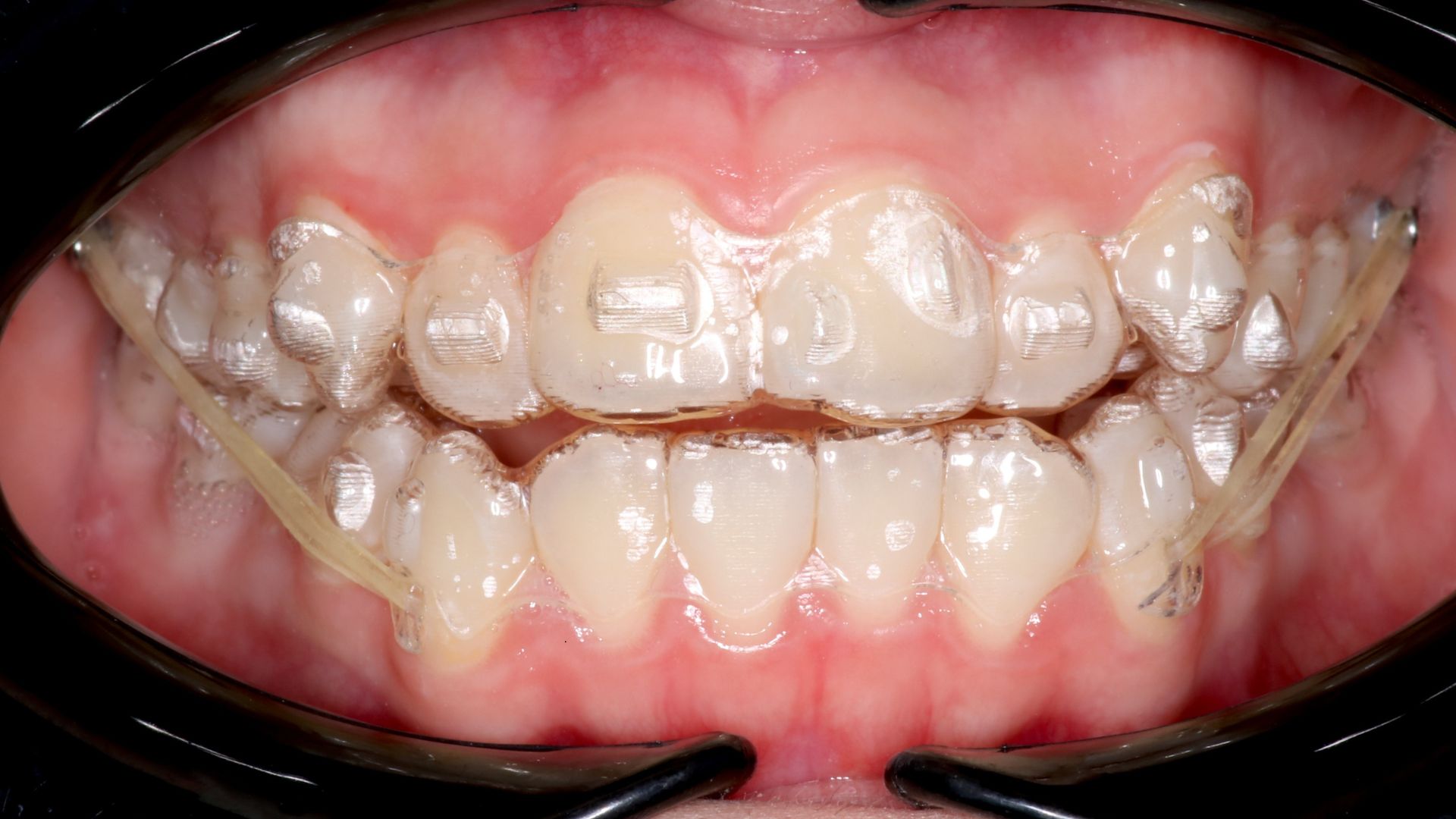
Complex rotations and bite corrections may require tooth-coloured attachments, elastic bands, or other tools such as bite ramps and precision cuts. These additions enable movements that would otherwise be impossible with aligners alone. While they may slightly extend the active treatment phase, they’re essential for comprehensive correction rather than partial improvement.
How to Get an Accurate Timeline Estimate for Your Case
Generic online estimates can’t replace professional assessment. ClinCheck Technology creates a 3D simulation of your entire treatment before you start, predicting your specific Invisalign treatment duration based on the planned tooth movements. This technology isn’t available from DIY aligner companies and requires an initial consultation, including professional scanning and X-rays.
Questions to Ask Your Provider
- What’s the predicted timeline for my complexity level?
- What percentage of your patients need refinements?
- How do you monitor compliance and progress?
- What’s your average versus predicted timeline accuracy?
Important Considerations When Choosing A Provider
Be cautious of practices that guarantee 6 months for all cases regardless of complexity, avoid discussing the possibility of refinements, or don’t offer ClinCheck visualisation of your treatment plan. These may indicate unrealistic expectations rather than transparent, evidence-based planning.
At KB Village Dental, our process includes an initial consultation, 3D intraoral scanning, ClinCheck timeline prediction, and a comprehensive treatment plan with realistic milestones for your Invisalign journey.
Can You Speed Up Invisalign Treatment?
Many people wonder if there are ways to accelerate their treatment time. The answer is yes, but only through evidence-based approaches that don’t compromise your results.
What actually helps speed up treatment:
- Perfect compliance – Wear your aligners 22 hours daily. Skip hours, and your teeth shift back, causing delays. Nothing affects your timeline more than this.
- Weekly aligner changes – Switching trays every 7 days instead of every 2 weeks can significantly reduce your overall time. But only if your dentist approves it based on how your teeth are tracking at check-ups.
- Experienced providers – A dentist with years of Invisalign experience creates better treatment plans upfront. Fewer refinements needed, more predictable timeline.
What you should avoid:
- Changing to new trays early without professional approval risks root damage and tracking issues.
- Skipping aligners creates gaps in the movement sequence, causing teeth to not fit properly in subsequent trays.
- Taking “breaks” from treatment allows teeth to shift back toward their original positions, extending your overall treatment duration rather than shortening it.
Safe tooth movement has biological limits. The fastest evidence-based approach combines perfect compliance with a well-designed personalised treatment plan. Shortcuts that attempt to rush biological processes risk both your teeth and your final results.
What to Expect at Different Stages
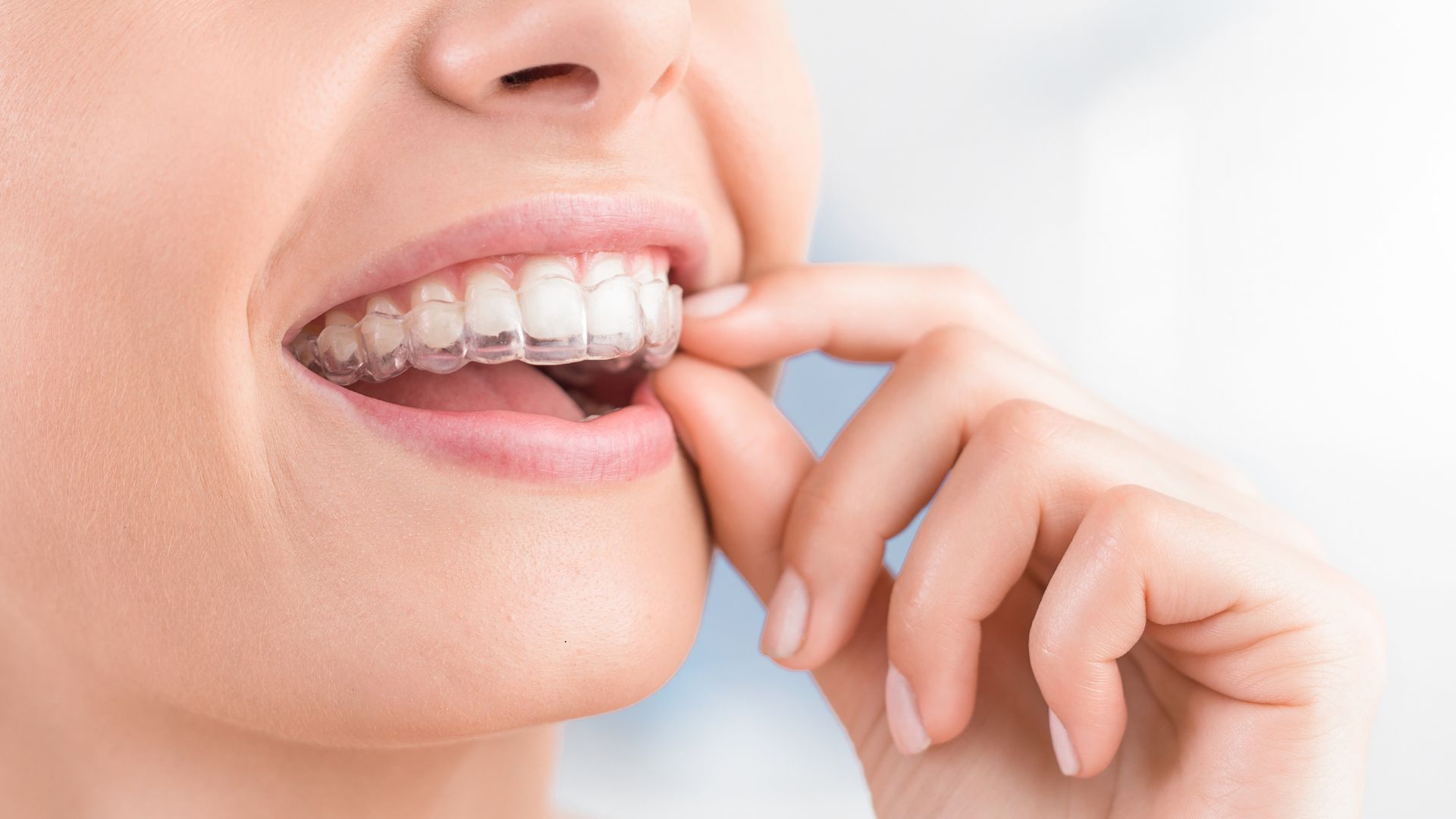
Weeks 1-4: Adjustment Period
You’ll experience minimal visible change as you adapt to speaking with aligners and manage initial discomfort. This phase establishes your compliance patterns, which directly impact your long-term Invisalign treatment time.
Months 2-6: Noticeable Changes Begin
Front teeth often move first, providing visible progress that reinforces your commitment. You’ll settle into a routine of wearing aligners consistently and maintaining excellent oral hygiene around your clear plastic trays.
Months 6-12: Major Visible Improvements
Midpoint check-ins assess whether you’re tracking as planned, and your dentist may discuss refinement possibilities. Most patients see significant changes that make the daily commitment feel worthwhile.
Months 12-18: Fine-Tuning Phase
Final aligner sets address bite perfection and minor adjustments. Even if your Invisalign treatment lasts toward the longer end of predictions, this phase ensures comprehensive correction rather than settling for partial improvement.
Post-Treatment: Retention Phase
Wearing your proper retainer as directed is permanent and essential for maintaining results. Without retention, teeth gradually shift back. This applies to all orthodontic treatment, not just Invisalign clear aligners.
Our North Sydney patients appreciate regular 6 to 8 week check-ups, where we assess progress and adjust timelines if needed, so you’re never wondering whether treatment is progressing properly.
Your Invisalign Timeline Starts with an Accurate Assessment
Your treatment time depends on the complexity of your case and your commitment to wearing the aligners. Sure, most adults fall in the 12 to 18 month range. But getting an accurate prediction? That requires actual professional assessment with proper technology.
Skip any provider guaranteeing 6 months for everyone. Real timeline confidence comes from ClinCheck technology and an experienced dentist who’ll talk openly about refinements and properly monitor your progress.
Several things affect how long treatment takes. Your starting tooth position, sticking to 22 hours of daily wear, and your bone remodelling rate. Whether refinements are needed, you control some of these (like consistency). Others just depend on your anatomy and case complexity.
Want to straighten your teeth with realistic expectations about timeframes? Schedule a consultation at KB Village Dental.
Frequently Asked Questions
Does Invisalign ever go faster than expected?
Yes, some patients complete treatment ahead of schedule when they maintain perfect compliance with wearing aligners 22+ hours daily, and their bone remodelling responds particularly well. However, rushing tooth movement isn’t the goal. Stable, lasting results matter more than shaving a month off your timeline.
Your dentist monitors whether faster aligner changes are safe for your specific case.
How to speed up Invisalign progress?
The most effective way to optimise your Invisalign treatment time is by wearing your clear aligners consistently for 22 hours daily, maintaining excellent oral hygiene to prevent delays from gum disease or dental issues, attending regular check-ups so your dentist can approve weekly aligner changes if appropriate, and following your personalised treatment plan exactly as prescribed. There are no safe shortcuts around biological bone remodelling rates.
Why don’t orthodontists like Invisalign?
Many orthodontists and dentists successfully treat patients with Invisalign clear aligners. Some providers prefer traditional braces for certain complex cases or severe misalignment, where metal brackets provide more precise control.
The key is choosing a provider experienced with clear aligner treatment who can honestly assess whether Invisalign suits your specific needs, or whether other treatments might achieve better results for severe crowding or significant bite corrections.