
Can You Combine Invisalign and Veneers?
Yes, veneers and Invisalign can be used together to transform your smile. However, several factors should be considered when combining these two popular cosmetic dental treatments.
No doubt aligning teeth before addressing cosmetic concerns makes sense, but did you know there is a way to shorten the amount of time it takes to do both?
Perhaps you’re looking to fix crooked teeth and cover up imperfections with veneers, or maybe you already have veneers but need to address misalignment? This article gives you everything you need to know about combining these 2 popular treatments to achieve a sensational smile.
What Are Invisalign and Veneers?
Invisalign Overview
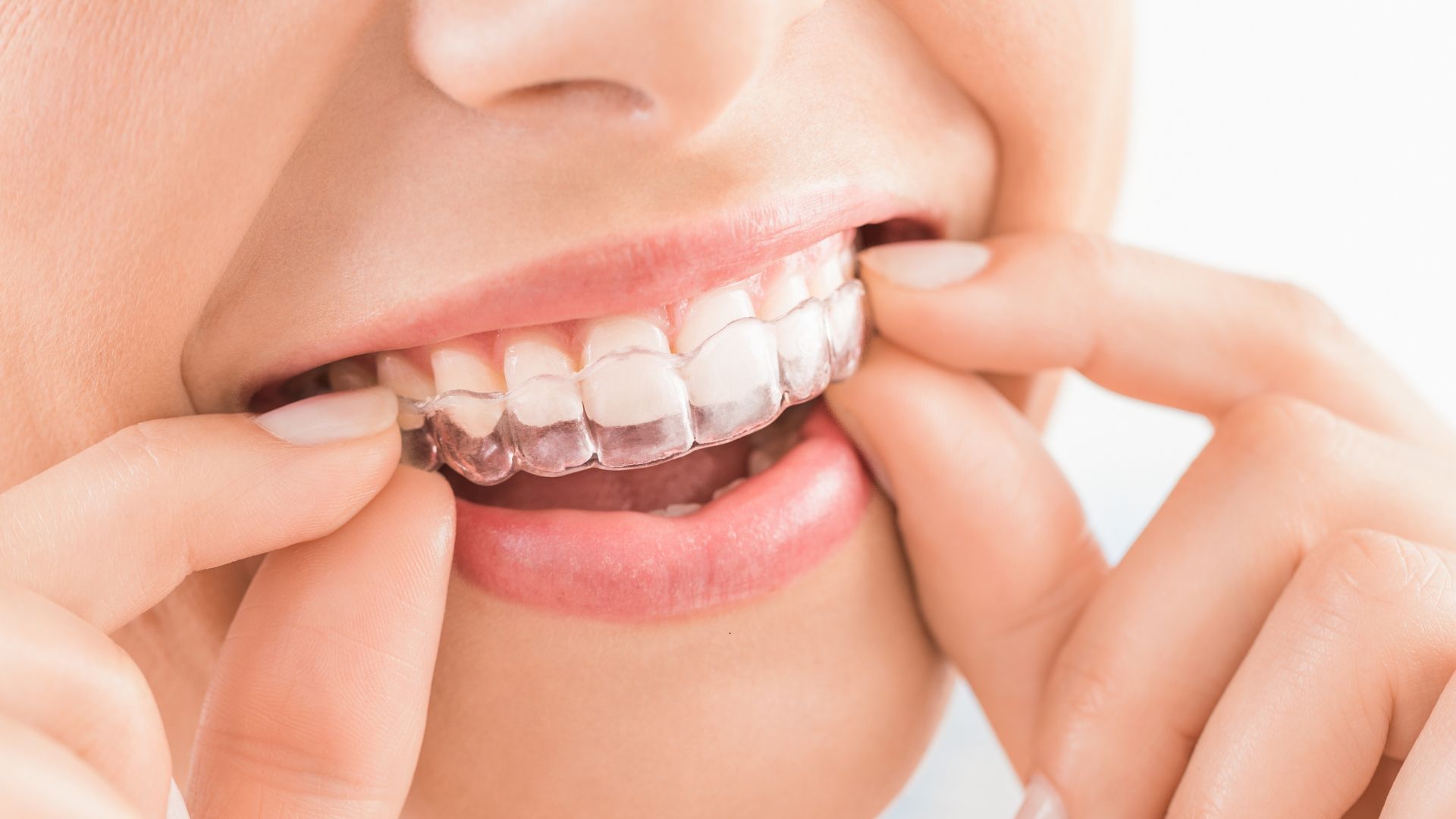
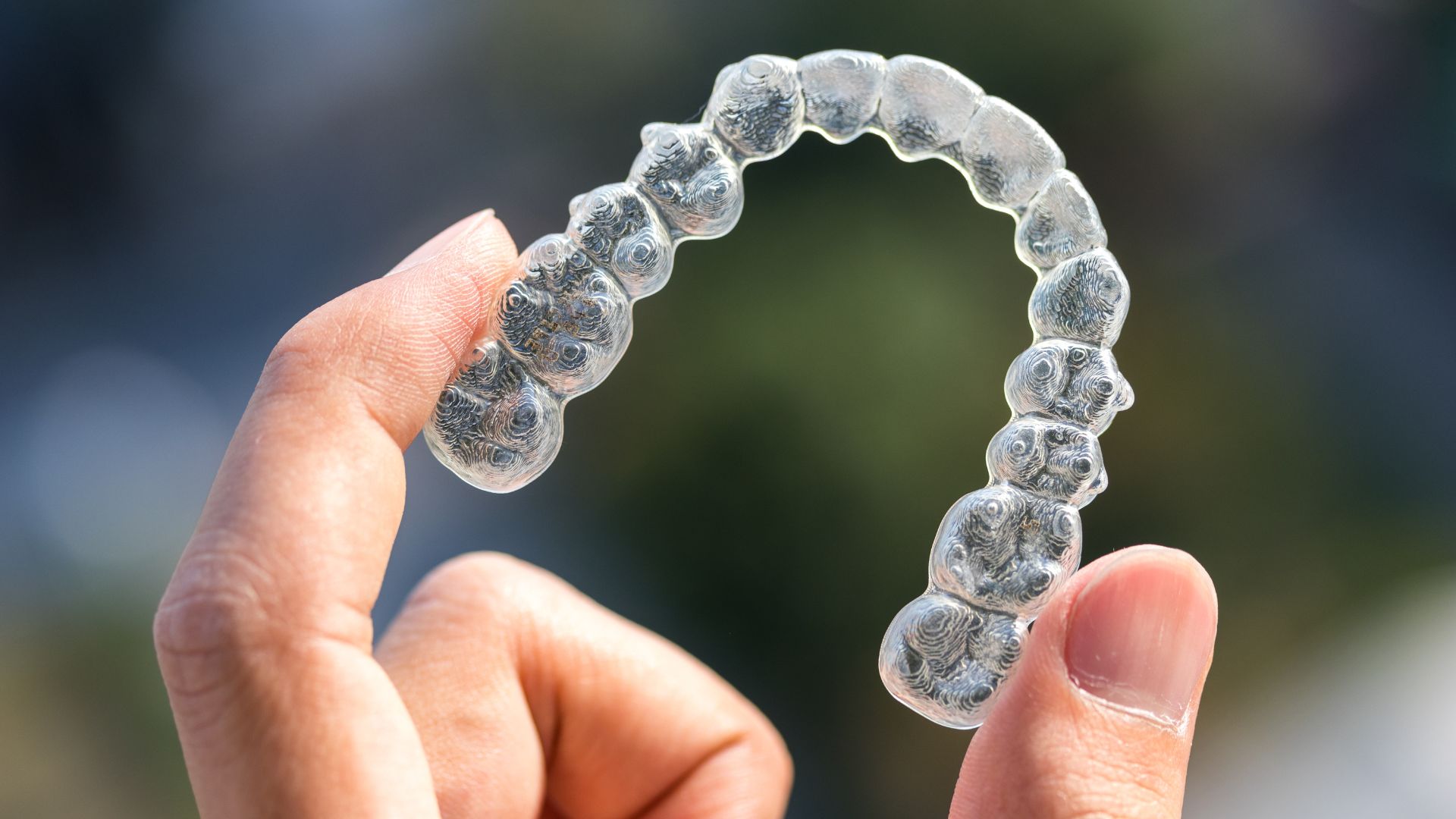
Invisalign is a type of orthodontic treatment for straightening teeth. While most of us are familiar with traditional metal braces for crooked teeth, an Invisalign treatment works similarly, using custom-fitted plastic aligners to gradually shift teeth. Invisalign aligners are changed every 1-2 weeks to help you achieve a straight smile. Invisalign treatment is often preferred over traditional braces because it’s removable, more comfortable, and, because it’s clear, virtually invisible.
Dental Veneers Overview
Dental veneers are thin, custom-made shells that are bonded to the front surface of your teeth to improve the appearance of your natural teeth. They ‘hide’ damaged, discoloured or misshapen teeth, and they can even make slightly misaligned teeth appear straighter. Both porcelain and composite veneers can achieve a natural-looking smile, but they differ in lifespan and cost.
Can You Get Invisalign If You Have Veneers?
It is possible to use Invisalign with veneers for a complete smile makeover. However, the ideal scenario is to undergo Invisalign treatment to straighten your teeth before getting veneers. This is because there are some factors to consider before using Invisalign in conjunction with veneers. A dental professional can assess your individual situation, but generally speaking, here’s where the combination is best and when it’s not:
When Combination Treatment Works Best
- If your veneers are healthy and strongly bonded to your natural teeth.
- If you have only a few veneers, Invisalign can move natural teeth and minimise force on veneers.
- If only gentle pressure is required to move teeth for minor adjustments. To improve bite, for example.
- To help prevent teeth shifting after cosmetic dentistry, such as veneers.
- With careful planning by a cosmetic dentist.
Potential Limitations and Risks
- Invisalign sometimes uses small attachments to help the removable aligners grip and move teeth. If veneers make it difficult to bond attachments, your orthodontist may need to adjust your treatment plan.
- If extensive movement is required, you’ll get the best results by completing Invisalign treatment first.
- If veneers are poorly bonded, movement can cause the veneers to detach.
Should You Get Invisalign Before or After Veneers?
Invisalign First, Then Veneers
Where possible, Invisalign should be used to straighten teeth and correct your bite before other cosmetic imperfections are addressed, as this will give you optimal results. It can take between 6-18 months to straighten teeth using Invisalign.
Starting orthodontic treatment first can extend the lifespan of your veneers and prevent the need for excessive tooth shaving or overly bulky veneers. In some cases, Invisalign may eliminate the need for veneers in favour of other cosmetic dentistry treatments, such as teeth whitening.
Invisalign After Veneers
If you already have veneers and want straighter teeth, partial Invisalign treatments may be an option. You may be looking for a flawless smile or to correct bite issues. Either way, your cosmetic dentist can tailor a plan to suit your needs.
Other scenarios in which you may want to use Invisalign over existing veneers include changes to your teeth that have occurred over time. This includes teeth that have shifted, which can be caused by not wearing your retainer after previous Invisalign or braces treatment, or by teeth grinding or age.
If you’re thinking about replacing veneers, you may also want to reposition your natural teeth first, before your new veneers are made.
Benefits of Combining Invisalign and Veneers
Straight teeth are crucial for good overall health. They improve oral health outcomes because they are easier to clean, reducing the risk of disease. They also prevent abnormal tooth wear, which can lead to headaches and other problems. And finally, a healthy smile can greatly improve self-esteem.
When your dentist can design your final smile under one treatment plan, rather than sequencing one treatment after the other, you’re more likely to see results that balance function and aesthetics faster and with less fuss.
What happens under a combined treatment plan?
When you combine Invisalign with veneers, allowing your dentist to address alignment and aesthetic appeal at the same time, they will start by designing your smile, focusing on the desired positions of your teeth, their size, and shape. Next, they will use targeted Invisalign to make only movements that support the design. And finally, veneers can be placed around those movements to give you a beautiful smile.
What You Need to Know About Combining Invisalign and Veneers
If you do decide to combine Invisalign aligners with existing veneers, it’s important to be aware of the risks. These include movement limitations, post-treatment veneer replacement considerations, and attachment placement challenges.
However, by having your dental health thoroughly assessed by a trained cosmetic dentist, they can discuss these challenges with you and find the best solutions for your individual circumstances to help you achieve a harmonious smile.
What to Expect: Your Step-by-Step Treatment Experience
Let’s look at what to expect when you set out to straighten your teeth and get a brighter smile at the same time.
Phase 1: Initial Consultation & Assessment
Your initial consultation should provide you with clarity on the best path to achieving a confident smile. This means discussing your goals and expectations, undergoing a comprehensive smile analysis using digital scans and 3D previews, and receiving a treatment plan and cost breakdown.
Phase 2: Active Invisalign Treatment
If Invisalign is found to be the best option for you, you’ll soon be back in the dentist’s chair for your first aligner fitting. You may experience some initial discomfort and pressure as each new aligner is fit. However, as your teeth shift, so will your confidence! Wear your aligner at all times except when eating and expect check-ups every 6-8 weeks.
Phase 3: Transition to Veneers (if applicable)
How long you wear the Invisalign aligners depends on the kind of tooth movement you and your dentist are trying to achieve and what can be achieved with veneers.
But as you near the end of your alignment schedule, you can expect to begin planning your veneers for size, shape and shade. Your dentist may fit you with temporary veneers at this time, but this isn’t always necessary.
Phase 4: Completion & Beyond
Now is the time to get a first look at your new, more attractive smile, with your teeth aligned and enhanced by veneers. Don’t forget to return for any recommended follow-up visits and wear your retainer as instructed to keep your smile looking great.
What Happens at Your KB Village Consultation
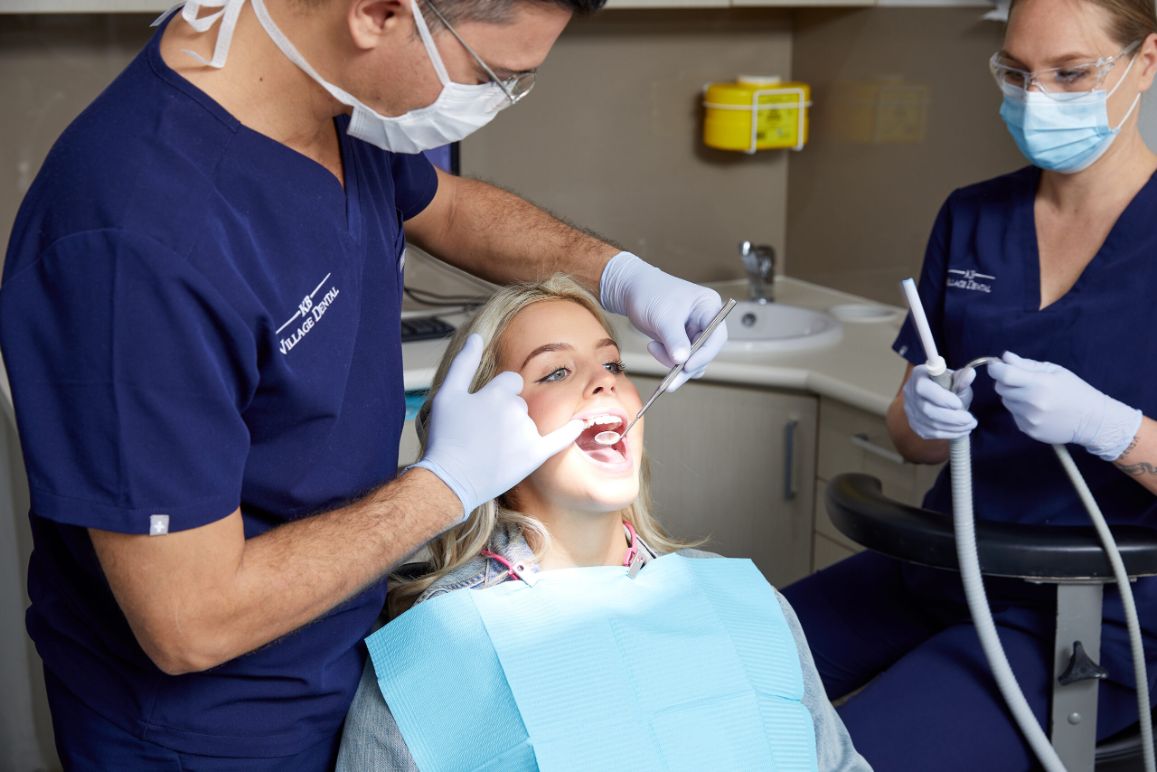
From a comprehensive oral health assessment to discussions about cosmetic enhancements that can improve your smile, you can expect a full and thorough service when you visit KB Village Dental.
What We’ll Assess
When you visit KB Dental for a smile makeover, we’ll start by discussing your aesthetic goals. We then use X-rays, 3D scans, and physical examinations to provide a detailed picture of your oral health, assess your tooth alignment and gum health, and perform a bite analysis. We will also examine existing dental work, including the bonding strength, age, and material of any veneers you currently have.
Technology We Use
The next step in a smile enhancement consultation is to use advanced technology to provide you with a digital smile preview so you can see your new smile before you commit to treatment. During this virtual treatment simulation, you’ll be able to see before-and-after pictures and view the targeted areas. This 3D preview is normally valued at $350 but is a complimentary part of this service.
Your Personalised Treatment Plan
During this thorough consultation, we will also discuss our recommended sequence and provide a detailed timeline of the treatment process. We’ll also provide a cost breakdown of the entire process, discuss our payment plan options, and assist you with health fund claims.
This means you’ll leave our clinic with a clear picture of what your new smile will look like, an understanding of what it will involve and how long it will take, and a no-surprise pricing guarantee.
Questions You Should Ask
At KB Village Dental, we’re more than happy to put your mind at ease by answering any questions you may have about the procedures we perform. If you have any concerns at all, please feel free to ask us during your consultation or after. Some examples of questions that previous patients have asked us include: how many Invisalign and veneer cases we’ve completed, what happens if existing veneers come loose, and whether we can see before-and-after pictures of similar cases, as well as about veneer warranties. We’d encourage you to share anything on your mind so we can provide as much information as possible before you decide on the right treatment for you.
Investment in Your Combined Treatment
Combining Invisalign with veneers is a significant investment. Veneers can cost between $200-$2000 per tooth, depending on the material and complexity of dental work, while Invisalign aligners range from $3000-$9000. Again, this depends on the complexity and length of treatment.
Combining these therapies will significantly improve your smile. The other thing to consider is that the results achieved with Invisalign are typically permanent, while veneers can last up to 20 years if cared for correctly. Therefore, for many patients, it amounts to a long-term investment in confidence and career.
Combining treatments can often save you money and make your veneers last longer, and many dentists can offer payment plans to make the investment more manageable.
Finding an Expert Sydney Dentist for Combined Invisalign and Veneer Treatment
Choosing the right dental professional is a crucial step in your journey to a perfect smile. Find a practitioner with dual expertise in orthodontics and cosmetic dentistry, ask to see a portfolio of before-and-after images, and search for patient testimonials.
Look for those using state-of-the-art technology, such as the 3D digital smile preview we offer. This demonstrates a commitment to providing the very best results.
Caring for Your Results Long-Term with Post-Treatment Care
So, you’ve decided to go ahead with treatment and now have the smile you once dreamed of. Now, your focus should turn to maintaining that with the best long-term care.
Immediate Post-Treatment (First 3 Months)
During the initial period after treatment:
- Wear your retainer full-time
- Allow for a period of adjustment to your veneers
- Stick to softer food to allow your bite to settle
- It’s common to experience some mild, temporary sensitivity. Talk to your dentist if this doesn’t subside.
- Schedule your first follow-up appointments
Long-Term Maintenance
- The months and years following are where the beauty of your new smile is secured:
- Continue wearing your retainer at night to prevent your teeth from shifting
- Avoid biting hard objects
- Never use your teeth to open packages
- Schedule regular dental check-ups for ongoing monitoring
- Your dentist will recommend the appropriate professional cleaning schedule to maintain your gum health
Frequently Asked Questions
Will Invisalign damage my existing veneers?
If your veneers are healthy and well-bonded and treatment is carried out by an expert, Invisalign should not cause any damage.
Should I get Invisalign before or after veneers?
In almost all cases, Invisalign should be done before veneers. This allows the teeth to be properly aligned and positioned first.
How long does combined treatment take?
Combined treatment time varies from as little as six months up to two years. Speak to your dentist for an accurate timeline.
Will I need to replace my veneers after Invisalign?
Typically, no, unless significant aesthetic changes are desired.
What if only some of my teeth have veneers?
Invisalign can successfully move your natural teeth while carefully minimising force on your existing veneers.
How do I care for my veneers during Invisalign treatment?
Maintain excellent daily brushing and flossing, and ensure your aligners are cleaned regularly to prevent plaque buildup on the veneers.
Your Perfect Smile Starts Here
Perfecting your smile one step at a time can be costly and can take longer than necessary. By seeing the professionals at KB Village Dental, we can work our cosmetic dentistry magic and combine treatments to give you better results, faster and more affordably.
Don’t delay – a more beautiful smile could be just months away! Call us on (02) 8999 4349 to make an appointment to see a cosmetic dentist today.